Jelly Pastel: A Sweet Typeface for Creative Design
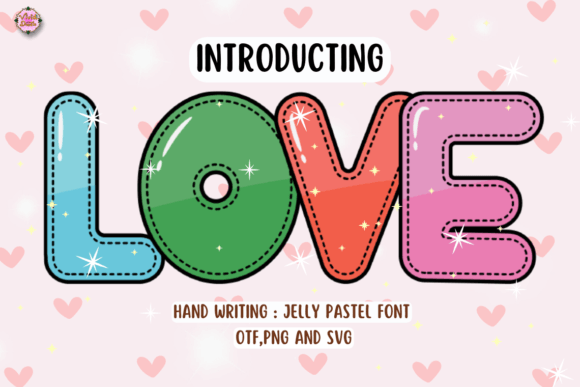
Imagine a typeface that doesn't just convey words but evokes a feeling—a sense of sweetness, whimsy, and tactile delight. The Jelly Pastel font achieves exactly that, transforming standard letterforms into soft, colorful, and delectable visual elements. For graphic designers and creative professionals seeking to inject personality and charm into their projects, this typeface offers a unique solution that blends playful aesthetics with practical application.
Understanding the Visual Appeal of Jelly Pastel
At its core, Jelly Pastel is a color font, specifically an OpenType-SVG format. This technology allows each letter to be rendered with a multi-colored, textured appearance that mimics the look of soft, pastel-hued jelly. Unlike traditional monochrome fonts, it provides built-in visual depth and a sugary palette. This characteristic makes it an invaluable creative asset for projects where visual impact and emotional resonance are paramount. Its design directly supports modern trends favoring tactile, authentic, and emotionally engaging visual communication.
Practical Applications in Professional Design
The true value of any design asset lies in its versatility. Jelly Pastel excels in contexts where a friendly, approachable, and visually rich tone is desired. Its application can significantly enhance brand identity and user engagement across various mediums.
- Branding and Logo Design: Ideal for bakeries, confectioneries, children's brands, or any business wanting a sweet, memorable logo. It helps establish a brand identity that feels inviting and fun.
- Marketing and Social Media Graphics: Create eye-catching social media posts, advertisements, and promotional materials. The font's inherent charm boosts visual hierarchy and stop-scrolling appeal on platforms like Instagram and Pinterest.
- Packaging and Editorial Design: Perfect for dessert menus, product labels, greeting cards (especially for Valentine's Day), and magazine layouts. It adds a premium, artisanal quality to print design.
- Digital Products and Web Design: Use for website headers, digital invitations, UI elements for playful apps, or merchandise designs. Its color font nature ensures vibrant displays in digital environments.
Integrating Creative Assets Effectively
While a font like Jelly Pastel is a powerful tool, its effectiveness depends on thoughtful integration into a broader design workflow. Consider these factors for optimal results:
- Audience and Context: Ensure the playful style aligns with your target audience's expectations and the project's message. It works best for brands and communications that embrace creativity and lightheartedness.
- Visual Hierarchy and Readability: Use it for headlines, logos, or short impactful phrases rather than body text. Pair it with a clean, neutral sans-serif or serif font for complementary contrast and to maintain readability.
- Compatibility and Scalability: As noted, this is an OpenType-SVG font. It is compatible with professional design software like Adobe Photoshop, Illustrator, and Silhouette, as well as Inkscape. Always verify compatibility with your specific tools and final output format, especially for print versus digital use.
- Color and Composition: While the font has its own pastel palette, ensure it harmonizes with your overall color scheme and compositional balance. It should enhance, not overwhelm, the design.
Ultimately, the strength of a design lies in its ability to communicate effectively and create a cohesive experience. Thoughtful typography selection, like choosing Jelly Pastel for the right project, demonstrates an understanding of visual language and its emotional impact. By leveraging high-quality, specialized creative assets, designers can elevate their work, craft more compelling brand narratives, and deliver polished, professional presentations that resonate deeply with their audience.