Buhun Retro Trio: Vintage Typography for Modern Design
Imagine capturing the vibrant, groovy energy of a 70s music festival or a retro diner in a single typeface. The Buhun Retro Trio collection makes this possible, offering a powerful blend of nostalgia and contemporary design utility. This isn't just a font; it's a complete visual system for injecting timeless cool into modern projects.
Understanding the Buhun Typeface System
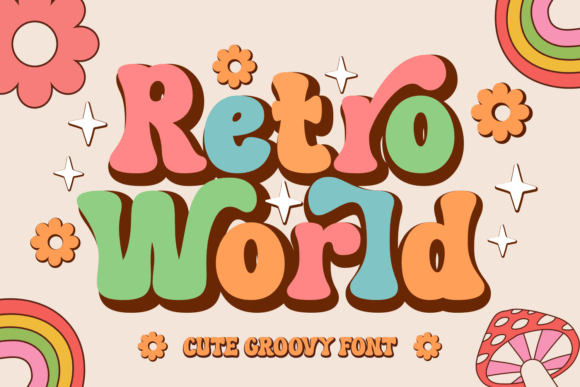
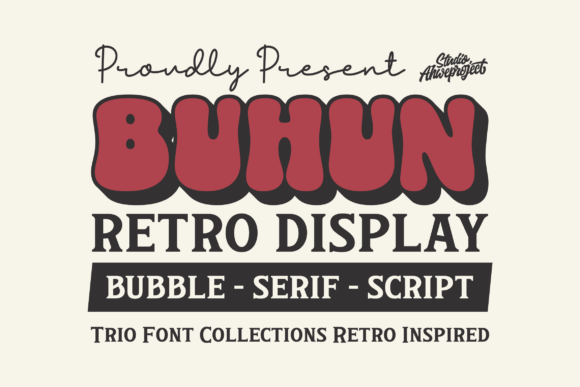
The Buhun typeface is a retro-inspired display family designed for maximum impact. Its character is defined by thick, pillowy "bubble" letterforms and classic drop shadows, evoking the funky, optimistic spirit of vintage advertising. However, its true strength lies in its versatility as a trio. The collection typically includes three complementary styles:
- Bubble: The star of the show. Perfect for high-impact headlines, logos, and hero text that demands immediate attention.
- Script: Offers a fluid, connected look ideal for subheadings, taglines, and adding a touch of personal, hand-lettered flair.
- Serif: Provides a more structured, readable counterpart for body text or supporting information, ensuring the vintage theme remains cohesive.
This trio approach allows designers to build a complete, layered visual hierarchy. You can use the bubble style for your main logo, the script for a café menu's section titles, and the serif for the descriptive text below, creating a dynamic yet unified brand identity.
Practical Applications for Brands and Creators
The utility of the Buhun Retro Trio extends across numerous creative and commercial domains. Its ability to instantly communicate a specific era and mood makes it a valuable creative asset.
Strengthening Brand Identity
For brands targeting a nostalgic or youthful demographic, typography is a cornerstone of identity. A retro-themed café, a streetwear apparel line, or a vinyl record shop can use the Buhun Trio to craft a logo and visual language that feels authentic and engaging. The key is consistency—applying the chosen style across all touchpoints, from signage to packaging, to build strong recognition.
Enhancing Marketing and Digital Content
In the fast-paced world of digital marketing and social media graphics, stopping the scroll is essential. The bold, groovy characters of Buhun Retro Display are perfect for creating standout Instagram posts, YouTube thumbnails, or event posters. Its high legibility at scale ensures your message is clear, whether on a small mobile screen or a large festival banner.
Elevating Print and Editorial Design
From magazine headlines and labels to merchandise design and packaging, the Buhun typeface adds a premium, curated feel. When designing a product label, for instance, using the bubble style for the brand name and the script for the product type creates a visually appealing hierarchy that guides the consumer's eye. Pairing it with warm, sunset color palettes—think oranges, creams, and browns—maximizes its vintage appeal.
Tips for Effective Implementation
To leverage this asset effectively, consider these design principles:
- Define the Goal: Are you aiming for pure nostalgia, or a modern twist on retro? This will guide your choice of the trio's styles and supporting elements.
- Ensure Readability: While the bubble style is fantastic for headlines, it may be less suitable for long paragraphs. Use the serif variant or a clean sans-serif for extended text to maintain readability and user experience.
- Build a Complementary Palette: Color is critical. Research 70s and 80s design trends to select palettes that enhance, not clash with, the typeface. Think muted pastels, earthy tones, or bold psychedelic contrasts.
- Maintain Visual Hierarchy: Use the three styles intentionally. Let the bubble type dominate key messages, use script for secondary emphasis, and reserve the serif for functional text.
Thoughtful design is about more than just aesthetics; it's about effective communication. Choosing the right creative assets, like the Buhun Retro Trio, is a strategic decision that can profoundly improve the visual impact and emotional resonance of your work. By understanding its components and applying it with purpose, you can create designs that are not only unforgettable but also perfectly aligned with your project's goals and audience expectations.